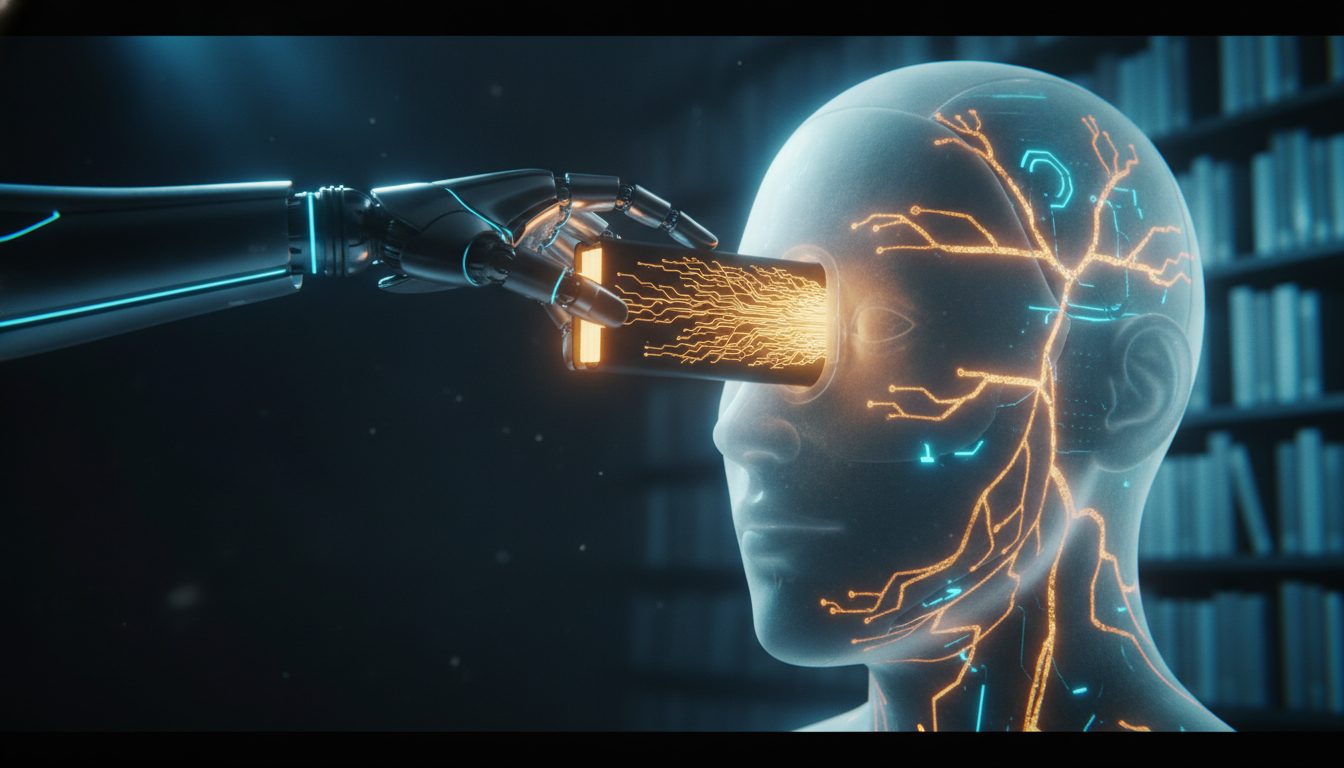
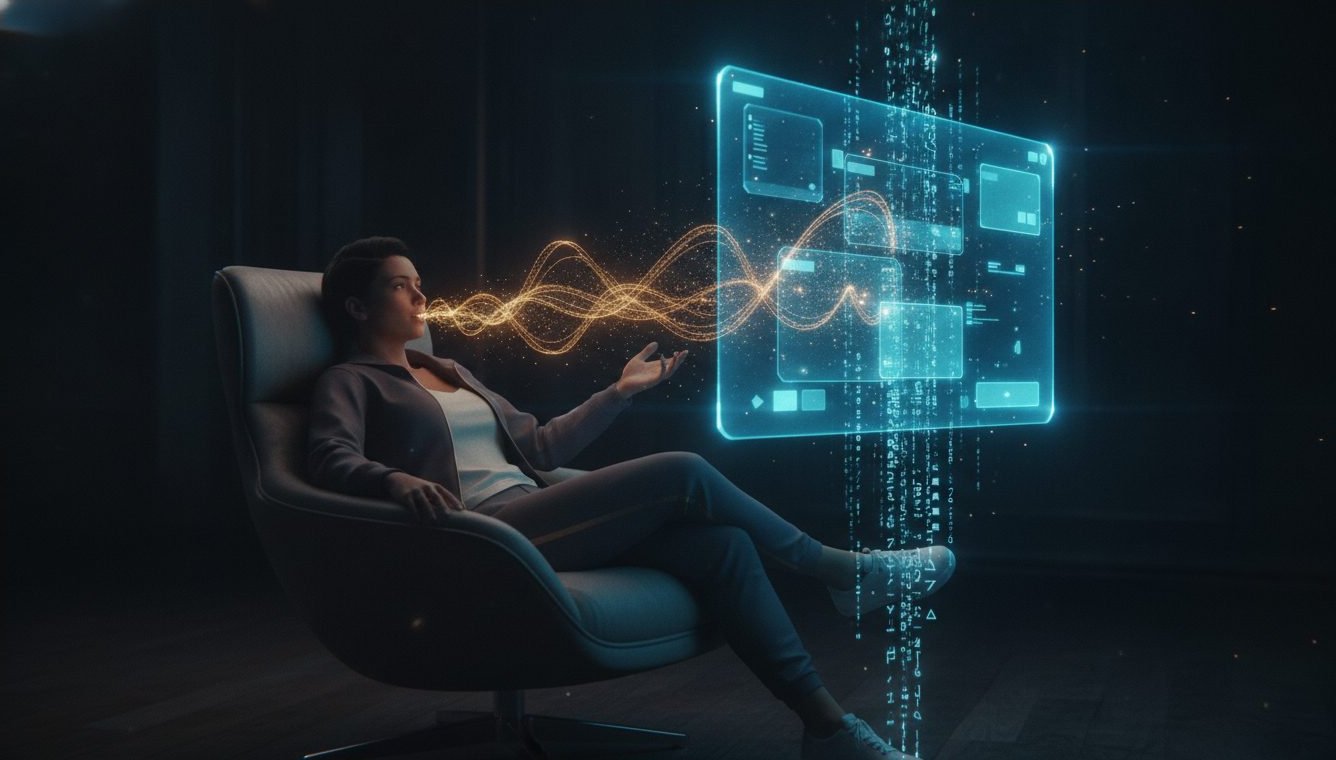
Your Second Brain: The AI That Remembers for You
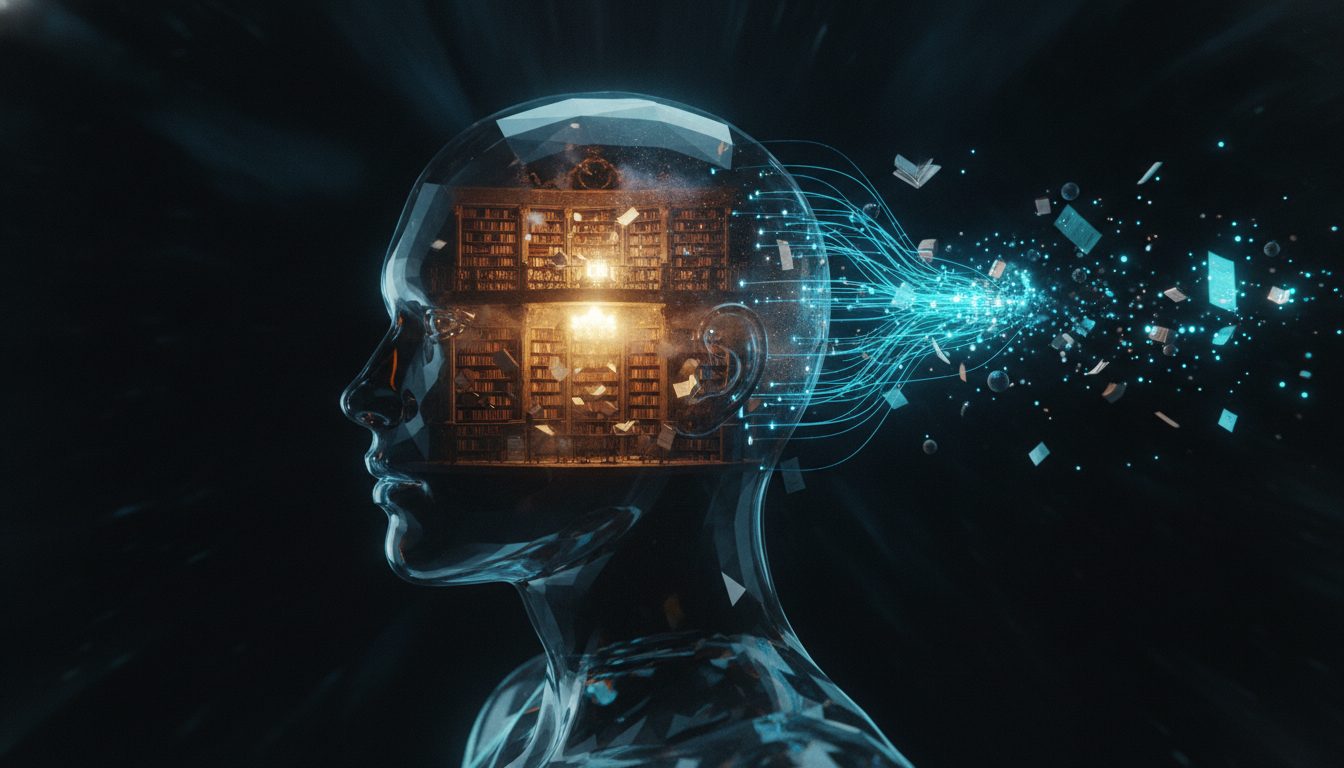
What is a second brain with AI?
An external memory: a place where you record notes, readings and ideas, plus an AI that searches by meaning and answers questions about that archive. Unlike the classic method, it does not require rigid organization: semantic search finds the note even without the exact words.
"Where did I read that?" You have lost a good idea for not writing it down, a contact for not remembering the context, a brilliant article you never found again. The human brain is great at having ideas and terrible at filing them: memory stores by emotion, not by usefulness. The good news is that storing became a solved problem. With AI, your notes, readings and conversations become an external memory that answers questions: a second brain that never forgets, and that finally understands what you meant in that cryptic Tuesday note.
What a second brain is (and what AI changed)
The idea is old and simple: record everything that matters somewhere outside your head, so the head is free to think. The problem was always retrieval. Writing down is easy; finding the note six months later, nearly impossible. The classic second brain demanded librarian discipline: folders, tags, weekly reviews. Anyone without the organization gene quit in week two.
AI changed exactly that part. Search stopped being by exact word and became search by meaning: you ask for "that article about books scanned to train AI" and the system finds the note even if it contains none of those words. Mess stopped being a sin. You throw everything in, and the AI plays the librarian you never were.
How to build yours, in 3 levels
- Basic level (zero cost, start today): any notes app you ALREADY use (phone Notes, Google Keep, one long doc) + the AI assistant you already subscribe to. Noted a whole month in one doc? Paste it into ChatGPT, Claude or Gemini and ask: "what did I note about project X?", "which commitments did I make and not keep?". Rudimentary, but already a working second brain.
- Middle level (tool with built-in AI): apps like Notion, Obsidian with AI plugins, Mem or Google's NotebookLM: you dump notes, PDFs and links, and talk to the collection. NotebookLM is the most impressive shortcut to start: create a notebook, add your sources, ask.
- Advanced level (your own knowledge base): a personal RAG: your documents indexed in a vector base the AI consults before answering. It is what companies do with internal manuals, applied to your life. It takes technical setup (or a platform that does it for you), but the result is an assistant that knows YOUR context across years.
The method matters more than the tool
A second brain that works follows three verbs, in this order of importance:
- Capture without friction. The note you did not take because the app was slow to open is lost forever. One single place, a quick shortcut, audio when on the street. Ugly and fast beats pretty and slow.
- Review lightly. Ten minutes a week skimming what came in. Not to organize: to re-encounter. The AI can write the weekly summary for you.
- Ask always. The second brain only becomes a habit when consulting it is your first reflex: before redoing research, before a meeting, ask your archive first. That is where the compound interest shows up.
The honest limits
Privacy: your second brain is your thoughts on someone else's server. Read what the tool does with your data, prefer ones that allow full deletion, and keep truly sensitive matters out of it (health, passwords, legal issues). For the advanced level, local bases exist precisely for this.
Dependency: memory is a muscle, and outsourced muscle atrophies. The practical rule: outsource the archive (references, details, dates), never the understanding. What you need to know to decide on the spot, without consulting anything, still has to live in your head.
And what NOT to outsource: judgment, relationships, the why behind your decisions. The second brain remembers what was said in the meeting; the one who reads the room is you.
In the end, the memory worth gold is not the one that stores everything, but the one that returns the right thing at the right time. Your brain was never good at that, and no longer needs to be. Let the AI be the archive. You keep the ideas.
Frequently asked questions
An external memory: a place where you record notes, readings and ideas, plus an AI that searches by meaning and answers questions about that archive. Unlike the classic method, it does not require rigid organization: semantic search finds the note even without the exact words.
No. The basic level uses what you already have: any notes app and the AI assistant you already use (ChatGPT, Claude, Gemini). Paste your notes and ask. Tools with built-in AI, like NotebookLM, Notion or Obsidian, are the next step.
It is search by meaning instead of exact words: asking for "that article about scanned books" finds the right note even if it uses other terms. This removes the need for perfect folders and tags, which is what made most people quit.
It depends on the tool: your thoughts sit on a third-party server. Check the data policy, prefer tools that allow full deletion, and keep truly sensitive information out: health, passwords, legal matters. Local bases solve this at the advanced level.
The practical rule is to outsource the archive (references, details, dates), never the understanding. What you need to know to decide on the spot should stay in your head; judgment, relationships and the why of your decisions are not delegated.
Data and AI executive with 20+ years building technology that moves businesses. Microsoft Certified Trainer, with executive education at MIT Sloan. At Data Lover, he trains professionals and leads enterprise AI projects.
See profile and all articles →